Navigating Public Transport in Foreign Cities
Public transportation systems in foreign cities can initially appear complex, yet they often serve as the most efficient way to explore urban areas. For travelers unfamiliar with local networks, understanding the underlying structure and common conventions can make the experience more manageable. This article outlines general principles for using buses, trains, and subways abroad, focusing on how ticket systems operate, how to stay safe, and how to navigate language differences.
Rather than offering definitive instructions for every city, this overview provides a framework for approaching any unfamiliar transit environment. By recognizing typical patterns in fare collection, signage, and etiquette, travelers can adapt more quickly. The goal is to build confidence through knowledge of how these systems are designed, not to guarantee a trouble‑free journey.
Understanding Different Types of Public Transport
Most major cities operate a combination of metro or subway lines, buses, trams, and suburban trains. Each mode has distinct characteristics that affect how a traveler plans a trip. Subways and metros typically offer the fastest travel within city centers, with frequent service and dedicated tracks. Buses and trams, meanwhile, often reach neighborhoods not served by rail and may operate with less predictable schedules.
Regional trains connect a city with its suburbs or nearby towns, sometimes using a different fare system than urban services. In many places, a single ticket covers multiple modes within a certain zone or time window. Becoming familiar with the type of transport available in a given city helps in selecting the appropriate route and payment method. Travelers can usually find maps and route diagrams at stations or on official transport authority websites.
Ticket Systems and Payment Methods
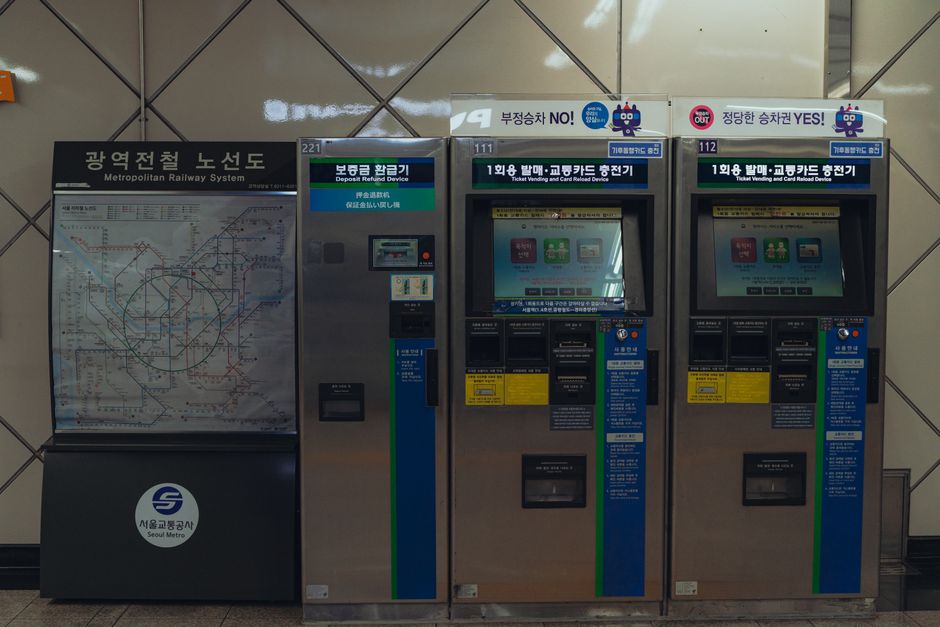
Fare structures vary widely from city to city, but several common approaches exist. Many systems use a flat fee for any journey within a defined zone, while others calculate cost based on distance traveled or number of zones crossed. Some cities require passengers to tap a contactless card or smartphone at both entry and exit to ensure correct billing, especially on rail networks.
Single‑ride tickets, day passes, and multi‑day tourist cards are typical options. Understanding the validity period and transfer rules is essential. For example, a ticket valid for 90 minutes might allow unlimited transfers between buses and trains within that window, but only in one direction. Travelers should check whether tickets must be validated before boarding, often by stamping them in a machine at the station entrance.
Digital payment methods, including mobile apps and contactless credit cards, are becoming more common. Some cities offer fare caps that limit total daily charges, automatically switching to a day pass after a certain amount. Cash payments are still accepted in many buses, though exact change is frequently required. Local transport authority websites and station information boards are reliable sources for current fare details.
Overcoming Language Barriers
Language differences can be one of the most noticeable challenges when using public transport abroad. However, many systems are designed with universal symbols and numbers. Route maps often use colors, numbers, or letters to identify lines, making it possible to navigate without reading local text. Station signs typically include pictograms for exits, restrooms, and ticket machines.
Digital tools can bridge gaps further. Translation apps with camera features allow a traveler to point a smartphone at a sign or schedule and receive an instant translation. Several transport authorities provide official apps in English or other major languages, complete with journey planners and real‑time updates. Offline maps and saved transit routes also reduce reliance on internet access.
When asking for help, simple phrases such as “Which platform for the airport?” or “Does this bus go to the museum?” can be useful. Writing down the destination name or showing a map screenshot often works better than attempting a complex pronunciation. Many station staff and ticket vendors in tourist‑friendly cities speak at least basic English, but patience and non‑verbal cues remain valuable.
Safety Considerations and Situational Awareness
Safety on public transport depends on a combination of local conditions and personal awareness. Most systems are safe during regular hours, but certain precautions can reduce risks. Keeping valuables in front pockets or zipped bags, avoiding empty carriages late at night, and staying near other passengers are common practices. Pickpocketing can occur in crowded stations or on busy trains, so maintaining attention to surroundings is advisable.
Emergency procedures vary, but many train and subway cars have intercoms to contact the driver or control center in case of an incident. Exit locations are usually marked inside the carriage and at stations. Some cities have designated safe zones or waiting areas near station staff offices. Travelers should note the location of emergency exits upon entering a station or vehicle.
Local news and travel advisories can provide information about any ongoing issues, such as strikes or temporary service changes. Checking official transport authority social media accounts or apps before heading out can help avoid disruptions. While no system is entirely risk‑free, understanding standard safety features allows a traveler to respond calmly if a situation arises.
Planning Your Journey with Digital Tools
Route planning applications have transformed the way travelers navigate unfamiliar transit networks. Apps such as Google Maps, Citymapper, or local equivalents provide step‑by‑step directions, estimated travel times, and real‑time departures. These tools often integrate multiple modes, including walking connections, and can adjust routes based on live delays.
For cities with complex fare zones, some apps also indicate the correct ticket type and estimated cost. Travelers can download offline versions of maps and schedules before departure. Many transport authorities offer their own official apps that include service alerts, station layouts, and accessibility information. Wander Compass recommends checking multiple sources, as not all apps are equally accurate for every city.
Using digital tools requires access to a charged smartphone and, in many cases, an internet connection. Portable battery packs are useful for longer days out. Public Wi‑Fi is available in many metro stations and on some buses, though speeds and security vary. Relying solely on one source can be risky; having a backup plan, such as a printed map or a screenshot of a route, adds a layer of reliability.
Cultural Norms and Etiquette
Each city has its own unwritten rules about behavior on public transport. In some places, talking on a phone is frowned upon inside subway cars, while in others it is common. Eating and drinking may be prohibited on certain modes. Standing on the left side of escalators or letting passengers exit before boarding are conventions that improve flow for everyone.
Observing how local residents behave is the simplest way to learn these norms. For instance, in many Asian cities, queuing for a train is strictly observed, whereas in some Western cities, boarding can be more informal. Offering a seat to elderly passengers, pregnant women, or people with disabilities is expected in almost every culture. Being mindful of personal space, especially during rush hours, helps maintain a comfortable environment.
Knowing the etiquette for validating tickets, such as tapping a card at a reader or stamping a paper ticket, prevents misunderstandings with inspectors. Fines for travel without a valid ticket can be substantial, even if the error was unintentional. By respecting local customs and following posted signs, travelers contribute to a smoother experience for themselves and others.