How to Save Money on Flights Without Sacrificing Comfort
Planning air travel involves balancing cost considerations with the desire for a comfortable journey. For many travelers, finding affordable tickets does not automatically mean accepting cramped seats or inconvenient schedules. Several practical approaches exist that may help reduce expenses while preserving a pleasant experience.
Understanding how airlines price tickets and what factors influence cabin comfort can provide a foundation for making informed decisions. The following sections explore methods such as using fare alerts, booking with flexible dates, selecting appropriate airlines, and making strategic choices about seating and layovers. Each approach focuses on the process rather than promising specific results.
By examining these strategies, travelers can develop a personalized approach that aligns with their preferences and circumstances. The goal is to highlight options and considerations that may contribute to a more cost-effective and comfortable trip.
Fare Alerts and Monitoring Tools
Fare alert services track price changes for specific routes and notify users when fares drop. Many travel websites and apps offer this functionality without requiring an upfront commitment. By setting alerts for desired destinations, travelers can observe pricing patterns over time without having to check manually. This method relies on market fluctuations and does not guarantee the lowest price, but it provides a way to stay informed about available options.
To use fare alerts effectively, it helps to have a general sense of what constitutes a reasonable price for a given route. Historical data and average fare information can serve as reference points. When an alert indicates a drop, travelers can evaluate whether the timing and conditions align with their needs. Some alert systems also allow filtering by airline, departure time, or number of stops, adding another layer of control over the search process.
Consistent monitoring over weeks or months may reveal patterns that inform better timing for purchases. However, prices can also rise quickly, so a decision should be based on current market conditions and personal tolerance for risk. The key is to treat fare alerts as a tool for awareness rather than a guarantee of savings.
Flexible Date Strategies
Airline ticket prices vary depending on the day of the week, season, and proximity to the departure date. Travelers who can adjust their travel dates by a few days may encounter different fare levels. Many booking platforms allow users to view prices across a range of dates, making it easier to identify patterns. For example, flying on a Tuesday or Wednesday often correlates with lower demand, which can influence pricing.
Flexibility does not necessarily mean inconvenience. Even small shifts, such as departing a day earlier or returning a day later, can open up more affordable options. Additionally, setting a broad date range for fare searches can reveal opportunities that might otherwise be overlooked. Some tools display a calendar view with daily prices, helping travelers quickly spot cheaper windows.
Another aspect of date flexibility involves travel during off-peak seasons or shoulder periods. While holiday seasons tend to see higher demand, traveling just before or after a peak period may offer lower fares with milder crowds. This approach requires planning around work or school schedules but can be worthwhile for those with some leeway.
Considerations for Budget Airlines
Budget airlines offer lower base fares by charging separately for services that traditional carriers include in the ticket price. These services may include seat selection, carry-on baggage, checked luggage, and refreshments. For travelers who do not need these extras, the base fare can be attractive. However, it is important to review the airline’s policies on seat dimensions, legroom, and overall cabin configuration, as these factors affect comfort.
To maintain comfort while using a budget carrier, travelers can consider purchasing additional legroom or an exit row seat if available. Comparing the total cost of a budget airline ticket plus optional add-ons against the fare of a full-service airline can provide a clearer picture of the overall value. Each traveler’s preferences and tolerance for different cabin conditions will vary, so personal research is advised.
Some budget airlines also offer premium economy or slightly upgraded seating options at a moderate fee. Reading passenger reviews and checking seat measurements before booking may help set realistic expectations. The trade-off between base cost and included features is a central part of the decision-making process when evaluating budget carriers.
Seat Selection and Cabin Comfort
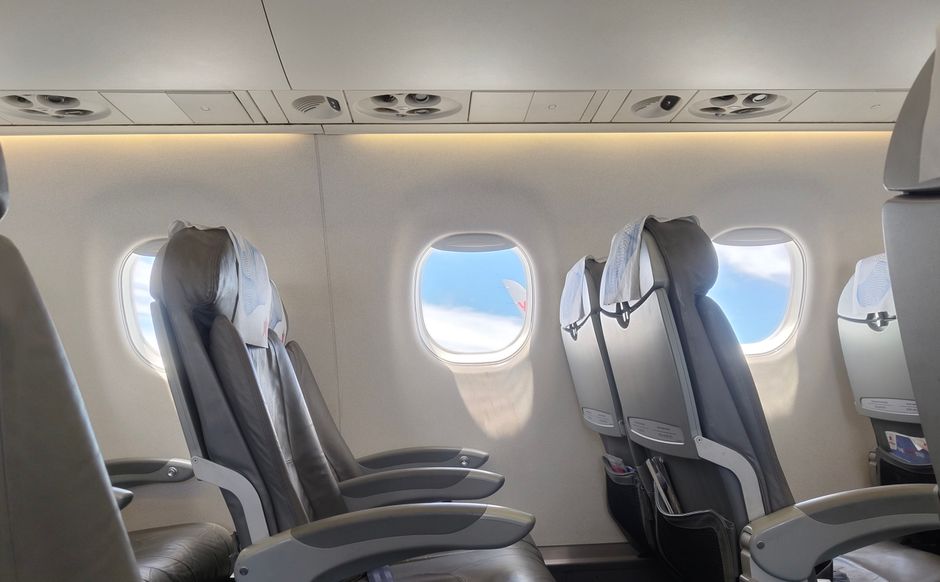
Regardless of the airline, seat selection plays a significant role in the comfort of a flight. Features such as seat pitch, width, recline, and proximity to restrooms or galleys can influence the experience. Travelers who wish to prioritize comfort might look for seats with extra legroom, such as those in exit rows or bulkhead positions. However, these seats often come with an additional fee or are reserved for elite status members.
Another factor is aircraft type. Some planes have different seating configurations even within the same airline. Checking seat maps and reading reviews from other passengers can provide insight into which seats are preferable. Focusing on the process of researching seat options allows travelers to make informed choices without assuming a guaranteed outcome.
Additionally, the time of day or duration of the flight can affect comfort priorities. For a short domestic hop, limited legroom may be acceptable, while a long-haul overnight flight might justify paying extra for more space. By evaluating the specific context of each trip, travelers can allocate their budget toward features that matter most for that particular journey.
Strategic Layovers and Flight Times
Flights with longer layovers or connections can sometimes be less expensive than direct flights. While a long layover may seem inconvenient, some travelers find that breaking up a journey can actually reduce overall fatigue. Choosing a layover in an airport with comfortable waiting areas, lounges, or nearby amenities can improve the experience. Some airports offer sleep pods, free Wi-Fi, or quiet zones that make longer waits more tolerable.
Additionally, redeye flights or very early morning departures often have lower demand and therefore lower fares. Travelers who can sleep on planes or who prefer quieter airports might find these options suitable. As with other strategies, the choice depends on individual circumstances and priorities. It can be useful to consider the total travel time, including layovers, rather than focusing solely on the ticket price.
Another consideration is the possibility of an intentional extended layover, sometimes known as a stopover. Some airlines allow passengers to spend a day or more in a connecting city at no extra fare. This can turn a layover into a mini-vacation, adding value to the trip. Researching airline policies and airport facilities ahead of time helps travelers decide whether a longer connection is a worthwhile trade-off.