How to Choose the Perfect Backpack for Long Trips

Choosing a backpack for extended travel involves more than simply picking a bag that looks appealing. The right choice can influence how comfortably one moves through airports, train stations, and city streets over many days or weeks. A well-selected backpack supports the body, protects belongings, and adapts to different travel scenarios. This article focuses on the factors that matter most when evaluating backpacks for long trips, from capacity and fit to materials and organization.
The process of selecting a backpack often starts with understanding personal travel habits. Some travelers prefer moving between accommodations frequently, while others stay in one place for longer periods. The type of gear carried, the climate, and the mode of transport also play a role. By considering these elements, one can narrow down the many options available and focus on features that align with specific needs.
This guide provides a framework for evaluating backpacks based on objective criteria. It does not endorse specific brands or models but instead explains the principles that help travelers make informed decisions. The goal is to offer a structured approach that emphasizes durability, comfort, and functionality without making claims about guaranteed outcomes.
Understanding Capacity and Size
Backpack capacity is typically measured in liters, and for long trips, common sizes range from 40 to 75 liters. The appropriate volume depends on the length of the journey, the climate, and whether the traveler plans to carry camping gear or primarily clothing and personal items. A 40- to 50-liter pack may suffice for warm-weather trips with minimal equipment, while trips requiring extra layers or camping gear often call for 60 liters or more.
Size also relates to the proportions of the traveler’s torso. A pack that is too tall or too short can cause discomfort and poor weight distribution. Many manufacturers offer packs in different frame lengths or adjustable torso systems. Measuring the distance from the C7 vertebra to the iliac crest helps determine the correct torso length. Hip belt fit is equally important, as the belt should sit on the hip bones, not the waist, to transfer weight effectively.
It is worth noting that maximum capacity does not always mean better practicality. A fully packed large backpack can become heavy and unwieldy, especially when navigating crowded spaces or public transport. Some travelers prefer a smaller pack that forces disciplined packing, while others prioritize the flexibility of extra space for souvenirs or food supplies. Balancing volume with expected load is a key step in the selection process.
Fit and Adjustability
Fit goes beyond torso length and hip belt size. The shoulder straps should curve around the shoulders without gaping or digging in. Load lifters, which are straps that connect the top of the shoulder straps to the pack, help adjust the angle of the pack against the back. Sternum straps stabilize the shoulder straps and prevent them from slipping outward. These adjustment points allow the pack to be fine-tuned to the individual’s body shape.
Most quality travel backpacks feature a frame, either internal or external, that provides structure and helps distribute weight. Internal frames are more common and allow the pack to move with the body. Some packs also include a framesheet that can be removed or adjusted. Trying on a loaded pack in a store, or simulating the weight at home, provides a realistic sense of how the adjustments work together.
A common mistake is focusing only on the backpack’s capacity while ignoring adjustability. Even a technically well-designed pack may not feel comfortable if the adjustment points are not used correctly. Taking time to learn how each strap functions and how to balance the load can significantly improve the carrying experience over many days of travel.
Materials and Durability
Long trips subject backpacks to repeated handling, exposure to weather, and friction against various surfaces. The materials used in construction directly affect how well the pack withstands these conditions. Common fabrics include nylon and polyester in various deniers. Higher denier values generally indicate thicker, more abrasion-resistant material. For example, 210 denier nylon may be adequate for lightweight urban travel, while 500 to 1000 denier fabrics are often chosen for rugged environments.
Water resistance is another consideration. Many backpacks come with a durable water repellent (DWR) coating that sheds light rain, but sustained wet conditions may require a rain cover or dry bags. Some packs are made with waterproof fabrics and sealed seams, though these tend to be heavier and less breathable. A separate rain cover can be a practical addition for unpredictable weather.
Zippers, buckles, and straps are common failure points. YKK zippers are widely regarded for reliability, and many packs use metal or reinforced plastic buckles. Stitching quality, especially at stress points like the attachment of the shoulder straps and hip belt, should be inspected. Double or bar tack stitching adds strength. While no backpack is indestructible, choosing one with reinforced stress areas and quality hardware can reduce the likelihood of issues during extended use.
Organization and Access
How a backpack opens and how its compartments are arranged can influence daily convenience. Panel-loading packs, which open like a suitcase, allow easy access to the entire contents without unpacking everything from the top. Top-loading packs, common in traditional hiking bags, are lighter but require removing items from the top to reach lower layers. Some travel-oriented backpacks combine both features with a large front panel and a top lid.
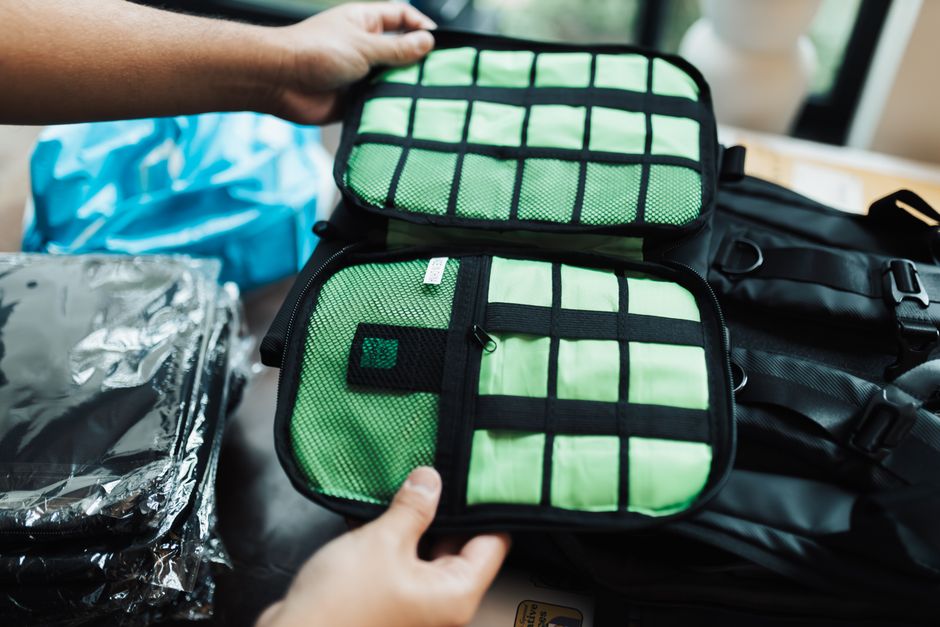
Internal organization such as padded laptop sleeves, mesh pockets, and divider panels help keep items sorted. A separate bottom compartment for shoes or dirty clothes can be useful, though it adds weight. External pockets on the sides or front provide quick access to water bottles, maps, or a jacket. The number and placement of pockets should match the traveler’s preferred way of storing frequently used items.
Security features like lockable zippers or hidden pockets can offer peace of mind in crowded settings. Some packs have a flap that covers the zipper tracks, which makes it harder for someone to open the pack unnoticed. While no bag is completely theft-proof, these features add a layer of deterrence. Travelers should consider how they will access their belongings during flights, bus rides, and overnight stays and choose a pack that supports their routines.
Weight, Comfort, and Additional Features
The weight of the backpack itself matters because it adds to the total load carried. Ultralight packs may be appealing but often sacrifice padding, frame support, or durability. A mid-weight pack with sufficient structure and comfort features often provides a better balance for extended travel. Many packs weigh between three and five pounds, though this varies with capacity and materials.
Comfort features such as padded hip belts with contoured shape, breathable back panels, and well-designed lumbar support can make a noticeable difference over long walking days. Some backpacks utilize mesh suspended back systems that create airflow and reduce sweating. Others use foam padding that molds to the back. Trying the pack with a realistic load and walking for some time is the best way to assess comfort.
Additional features like attachable daypacks, integrated rain covers, hydration sleeves, or compression straps add versatility. However, each extra feature adds weight and complexity. Travelers should evaluate whether they will actually use these additions. For instance, a detachable daypack can be useful for short excursions from a base location, but some prefer to carry a separate lightweight daypack rather than rely on an integrated one.
Comparing Brands and Approaches
The backpack market includes numerous manufacturers that approach travel gear from different angles. Some brands focus on technical hiking packs with advanced suspension systems, while others cater to urban travelers with sleek designs and organization features. Well-known names such as Osprey, Deuter, Gregory, and Patagonia offer models specifically designed for travel, often with adjustable torso systems and durable materials.
When comparing options, reading user reviews that mention long-term durability and comfort over extended use can provide practical insights. It is also helpful to consider the warranty and repair policies of the manufacturer. Some companies offer lifetime warranties or repair services, which can be valuable for a backpack used on multiple trips over several years. The presence of a local retailer that stocks the brand may also be a factor, as it allows for in-person fitting and trial.
Ultimately, the best backpack for a long trip is one that matches the traveler’s body, travel style, and priorities. No single model works for everyone. By focusing on the principles of fit, capacity, materials, organization, and comfort, travelers can systematically evaluate options and select a backpack that supports their journey without promising specific outcomes. The process of choosing thoughtfully is itself a step toward a more comfortable and organized travel experience.